Smart Cities and the NUA

The world is becoming more and more urban each year. The vast majority of the world’s population lives in cities, a different case than 100 years ago. Even looking at the top 10 most populous cities, there is over 150 million people, or roughly 2% of the total population, that live between just those 10 cities. That does not include the metropolitan areas, which would inflate that number exponentially. Smart cities are cities that use technology and electronic data to more efficiently manage the cities. These cities are aimed to attract young adults through the integration of information and communications technology into the everyday aspects of the city, such as public transportation systems. Smart cities are becoming more and more prominent every year with more cities adopting smart city initiatives. Some examples of this include Madrid and Stockholm. Madrid adopted a policy called MiNT – Madrid Inteligente (Smart Madrid). Since the adoption of this policy, there has been significant improvement in sustainable and computerized management of city systems like garbage collection and recycling. Stockholm, like Madrid, has implemented citywide infrastructure policies. These include green buildings and traffic monitoring systems. Smart cities will continue to evolve in the years to come, getting more efficient and improving management with each new city.

While smart cities are clear and obvious examples of development, the New Urban Agenda focuses on the development of all cities. The New Urban Agenda is the global standard for sustainable urban development, causing us to rethink how we live in and manage cities. While some of the New Urban Agenda is basic, like providing access to housing and drinking water for everyone, parts are much more complex, like reducing the risk of impact for natural disasters. The New Urban Agenda is one way that the United Nations is using to achieve SDG 11, sustainable cities. With the world urbanizing, the need to address cities is great. The New Urban Agenda is a framework in which governments can look to when designing programs and improving infrastructure.

The Asian Development Bank published a report titled “Inclusive Cities” that helps to frame the history of urbanization in Asia. The report states that after World War II, there was a major influx of people in cities due to a spur in economic development. This influx of people put a strain on city planning and development causing a massive explosion in the slums, areas of the city where there is a lot of overcrowding and poverty. The Asian Development Bank highlights the amount of people in Asian cities that live in these areas, which ranges from about 30% to over 50%. This is one of the things that the New Urban Agenda aims to combat, allowing everyone to be prosperous and successful.

Inclusive Cities and New Urban Agenda

According to the Collaborative for Inclusive Urbanism, an inclusive city is, “a city in which the processes of development include a wide variety of citizens and activities. These cities maintain their wealth and creative power by avoiding marginalization, which compromises the richness of interaction upon which cities depend.” Inclusive cities bring together marginalized groups and increased access to basic resources and share urban spaces. Inclusive cities allow all individuals to gain access to sustainable living, whether it be through housing, water, and sanitation, green energy, etc. Inclusive cities are also known as “smart cities” as they include the needs of everyone. 

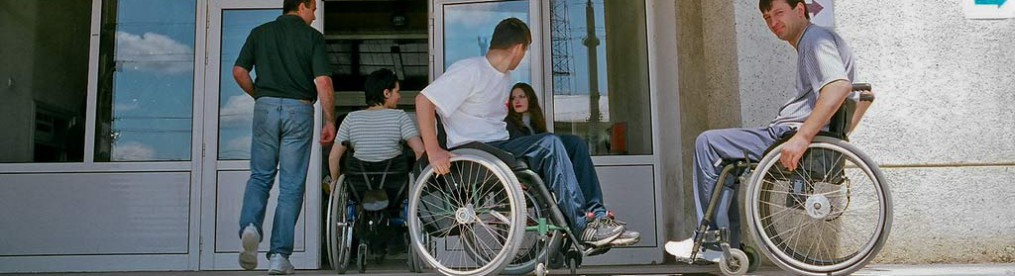
Inclusive cities largely include rights to people with disabilities. For example, public transportation should not only be efficient in that it gives access to the entirety of the city for large ranges of the day, but also includes audio capabilities for those who are blind and visually impaired. Furthermore, it should have accessibility for those with physical impairments so they can easily utilize public transportation.

Inclusive, “Smart cities” also bear in mind how increased urbanization can also lead to increased pollution. As a result, there is a focus to increase green energy, and create buildings that are eco-friendly. The New Urban Agenda has a multitude of projects across the globe that are ensuring eco-construction. These projects include collaboration between private actors and civil society.

The New Urban Agenda, through the United Nations Conference on Housing and Sustainable Urban Development, is a framework that outlines city planning and enables urban sustainability. The power of cities and its influence on overall development has lead to the continuation of strategizing further urban cultivation. The New Urban Agenda states, “By 2050, the world’s urban population is expected to nearly double, making urbanization one of the twenty-first century’s most transformative trends. In 2016, the UN conference focused on sustainable urban development through the inclusion of leaders from the local, and national level. Furthermore, Habitat III also included civil society and private actors in order to further promote its goals.

Habit III is unique in that it is committed to including multiple stakeholders in the conversation of urban development, as inclusive cities involve all marginalized groups. Allowing multiple groups to sit at the table increases personal responsibility in regards to urban development, which only further promotes overall development. It also gives others the opportunities to have side events that can have further detailed conversations regarding issues.

Citiscope has noted that “last year’s Habitat III negotiations were hung up for many months on what was known as “follow-up and review” — namely, whether UN-Habitat, the agency that focuses on urbanization, will be responsible for overseeing implementation of the New Urban Agenda at the U. N. level.” The General Assembly secretary has stated it is committed to monitoring and evaluating the New Urban Agenda and to ensure its impartiality and starting in 2018 will report back to the General Assembly every four years.


How Does the NUA Include Rural Development as an Essential Part of Its Implementation?

When the New Urban Agenda: Habitat III conference was held in October, 2016, the main focus of the conference was to promote the idea of sustainable cities and start developing ideas on how to implement strategies of urban development. Although this document’s main purpose focuses on the urban landscape, the first draft of the NUA III official document contains fifteen mentions of rural development as a part of the plan for urban development:

Article 43: integration of rural development in the framework of developing cities and human settlements

Article 44: integration through ” transport and mobility, technology and communication networks and infrastructure”

Article 62: working with both urban and rural areas, “strengthening the sustainable management of resources ”

Article 77: ensuring coherence of local governmental policies regarding land development keeping rural areas in mind

Although it may not be evident how including rural development helps meet the targets of Habitat III, it is essential to consider what dynamics exist between the two and how improving one can indeed improve the conditions for the other.

One of the biggest challenges that we are currently facing is the overpopulation of our cities and how to accommodate for increasing numbers. This increase in population is mostly due to the migration of poor populations living in rural areas that look towards the city for better work opportunities. If we are to resolve overpopulation of cities, we need to look to what can be done in the rural landscape to provide sufficient opportunities and benefits to rural populations to keep them from migrating to the cities. This is the main goal of articles 43 and 44, where a stronger integration of rural-urban development through technology, communications, and infrastructure can bring a level of development to the rural setting, providing more economic opportunities in those areas and mitigating rural-urban migration.

Another important aspect is the effect that urban development has on the rural landscape. As cities grow, the need for resources such as land, water, food, electricity, etc… increases and most of the time, the use of those resources impacts rural communities. A lot of the waste generated by cities ends up polluting rural communities, which affects the crop outputs and therefore the livelihoods of the populations living in areas most affected. Article 62 emphasizes a strong partnership between the two in order to advance the goal of sustainable cities that would benefit rural areas as well. The urban sector bring to the table new technologies that can help improve the efficiency of the resources it uses, such as creating the infrastructure for green energy (solar panels, hydroelectric, wind energy) and reduce the amount of pollutants that cities emit, and the rural sector provides the conditions under which these resources work best, and provides insight on the effects that the pollution has. Sustainability is therefore an issue that needs to be addressed with the rural sector in mind if it will work at the highest degree of success.

It is impossible to achieve the goal of “sustainable cities” without considering the effects that it has on rural communities and without taking into account the tightly wound relationships that exist between the two. This is why rural development plays an important part in the development of Habitat III and helps us reach most of the Sustainable Development Goals in the 2030 agenda.

Implementation of NUA and its mindsets

“Unnecessary barriers continue to limit disabled people’s mobility and access to public resources; planning practitioners have failed to fully recognize the enabling or disabling powers of physical space” –Victor Pineda. Pineda argues that one is only disabled in respect to an environment, pushing for mainstreaming of disabled persons’ needs in everyday accessibility. This line of thinking directly influenced the global conversation about Smart Inclusive Cities and urban development in international policy making and guidance like Habitat III.

Habitat III was the United Nations Conference on Housing and Sustainable Urban Development in Quito, Ecuador, October 2016, focusing on sustainable urbanization. Building off of the 1996 Habitat II in Istanbul, Habitat conferences decide strategic frameworks for the next 20 years. Habitat III also welcomed the participation of all stakeholders, including the general assembly of partners (GAP). UNDESA, who is responsible for economic and social activities in the UN, reports that “urban areas are projected to house 60 per cent of people globally” by 2030, making this a crucial area for accessibility.

The New Urban Agenda (NUA) was Habitat III’s outcome document, which commits itself to preparing for a sustainable and equal urban future that includes “the rights and needs of women, children and youth, older persons and persons with disabilities, migrants, indigenous peoples and local communities, as appropriate, and to those of others in vulnerable situations”. This document is, instead, a call to action. NUA epitomizes the UN process as well: all influencers had the chance to contribute to the outcome document, but their last opportunity to do so was the Surabaya draft in Indonesia. This means the conference of Habitat III itself is actually an opportunity to discuss implementation, despite the general perception that the conference is where the outcome document is written. WUF9, held in Malaysia, also focuses on implementation of NUA goals, particularly banding around the role of technology. Its goals were 1) to advocate and raise awareness of sustainable development, 2) to improve collective knowledge, 3) to increase coordination and cooperation, and 4) to create a platform to incorporate the input of different organizations.

However, the representative nature of NUA is limited by those who are at the table. Despite the multi-stake holder involvement of Partner Constituent Groups (PCGs), civil society members must have rare ECOSOC accreditation to participate. Plus, the GAP started with the UN’s 9 major groups, slowly expanding to 16 (most recently, persons with disabilities); the GAP is pulled in many directions and is expensive, limiting access. Monitoring progress becomes even harder because NUA is not legally binding. These show that there is a long way to go for representation. Implementation of the progressive vision of the New Urban Agenda will require even higher multi-stakeholder buy in and a cultural mainstreaming of Pineda’s mindset that the only limit of a disabled person is their environment. It is the duty of the UN, complemented by the private and civil society sectors, to change that.

Inclusive Development and the WUF

Under the United Nation’s Habitat, the World Urban Forum is an international conference dedicated to urban issues across the glove. The Forum has 3 objectives:


  1. Raise awareness of sustainable urbanization among stakeholders and constituencies, including the general public.
  2. Improve the collective knowledge of sustainable urban development through inclusive open debates, sharing of lessons learned and the exchange of best practices and good policies.
  3. Increase coordination and cooperation between different stakeholders and constituencies for the advancement and implementation of sustainable urbanization.


The WUF has gained international attention and has become one of the most inclusive forums within the United Nations. It’s next session, WUF9 taking place in February 2018 in Malaysia will focus on inclusive sustainable urban development. This forum follows the notion that it is a right for all citizens to have equal access to the services and benefits a city provides. Within many urban settings, access to resources is stratified not only across class but also across abilities. For instance, this forum will discuss inclusive transportation. There is a call for the expansion of public transportation to span across the entirety of the city, instead of centralizing busses and rails to certain parts. However, there is a large push for an increase in accessibility across other spectrums. There is a need for not only handicapped-friendly public transportation, but also transportation with audio for those who are blind and visually impaired, and accommodations for the elderly. The creation of inclusive mechanisms fully allows a city to reach a new level of development.


Another aspect of the WUF9 is their dedication to collaboration and coordination amongst various stakeholders and constituencies. In 2014 the Urban Thinkers Campus endorsed the idea of the General Assembly of Partners (GAP) in which acts as representative groups of the general assembly, all members of the United Nations, within the major international forums such as WUF. GAP will play a large role in the collaboration and coordination efforts within WUF9. They will actively advocate for marginalized groups, whether it be the disabled, elderly, indigenous groups, women and children etc. Having these representative groups present at WUF9 allows for conversation to be directed back to the needs of those marginalized and holds them accountable for implementing effective strategies for making sure all citizens have access to the benefits and services of a city.


Overall, the efforts set forth by GAP and WUF9 have actively worked to involve all types of people into the conversation of development and allow cities as well as its citizens to flourish.

Including Slums in Inclusive Cities: What ADB Got Right

While slums are often not thought of when people talk about cities, they are growing in size and population especially as more and more populations move from rural to urban environments. Some slum populations in India have grown so large that they can influence elections. Sustainable Development Goal 11 focuses on “Making cities inclusive, resilient, safe, and sustainable” and if we are to implement goal 11, then slums must be included and thought of as well. Including slums in sustainable development is often met with many barriers. Local governments do not want to acknowledge slums or provide them with services because they want the slums to disappear and think providing benefits such as water and sanitation will encourage the slum-dwellers to stay. Slums are also illegal settlements so there are other barriers to providing them with services such as schools and health clinics because they are technically not supposed to exist.

The habitat III conference’s new urban agenda commits itself to trying to end stigma surrounding slum-dwellers, making informal settlements more resilient, and upgradings slums. This is certainly a step in the right direction but I was more impressed with the concrete examples of slum rehabilitation the Asian Development Bank described in their document Inclusive Cities. Slum rehabilitation often doesn’t work out as planned because the project leaders don’t ask the residents what their needs are and don’t understand the attachment residents have to their homes, or interrupt their livelihoods. The phrase “Nothing about us without us” is credited to the disabled community but the ADB took that mindset to heart when constructing their slum rehabilitation programs. The ADB provided surveys and asked residents what their needs were. These surveys informed project developers what residents wanted and with this information they were able to provide some low cost sanitation, women’s support groups, schools, and clinics. The ADB was able to work with local governments and encourage them to recognize the slums and see them as a boon for the local economy. The reason ADB’s programs were successful was that they took into consideration what the residents wanted and the systemic problems that were preventing them from achieving their needs.

Including slum-dwellers in the conversation about inclusive cities is a concrete way of advancing SDG 11 because they are able to offer a more direct perspective of what would make their settlements inclusive, sustainable, and equitable.

New Urban Agenda

The New Urban Agenda is pushing the idea that sustainable development and urbanization go hand in hand. There are many parts of development and urbanization that The New Urban Agenda focuses on which attain both of these simultaneously while promoting social agendas as well. Through poverty alleviation, inclusive economies, and environmental sustainability initiatives, The New Urban Agenda pushes for many benefits from cities themselves. Those listed include

  1. Adequate housing with accessible food, water, sanitation, and jobs
  2. Participatory communities in order to meet all needs
  3. Gender equality by ensuring numbers 1 and 2
  4. Meet social challenges in a way that is sustainable and inclusive
  5. Act as a center for the development at hand with administrative services
  6. Plan for age and gender mobility obstacles to link this population with people, places, goods, services, and economic opportunities
  7. Implement a disaster risk reduction and relief program as well as mitigate and adapt to climate change
  8. “Protect, conserve, restore, and promote” the environment within and around the city in order to minimize environmental impact and make a move to responsible production and production methods

All eight of these are included in the Outcome document of Habitat III as the vision of future cities. While these are all things every city should strive for, it is still a non-binding agreement with minimal accountability. As shown in the indicators under Sustainable Development Goal 11, the goals and indicators are clearly stated but do not mention clear measurements to strive for.

For example, 11.A aims to “support positive economic, social, and environmental links between urban, per-urban and rural areas by strengthening national and regional development planning.” The indicator for this is 11.A.1, stated as “proportion of population living in cities that implement urban and regional development plans integrating population projections and resource needs, by size of city.” There are two large issues with this: a lack of measurement and not accounting for measures taken outside of cities. First, the lack of measurement relates back to the issues seen with the Millennium Development Goals. Without a set goal, these could be achieved in a minor way but have minimal impact. Second, while the goal is for urbanization, there will undoubtedly be interaction between rural and urban areas. Whether this is merely a trade of goods or includes people traveling regularly between the two, many of the urban plans should be applied to rural areas as well in order to have a fuller impact.

Inclusive Cities and Inclusive Governance

According to the World Bank, in 2016 54% of the world population lived in cities. The urban population is expected to grow at the rate of 1.84% per year between 2015 and 2020. Persons with disabilities, which take up about 15% of world population, are also part of the growing urban population. This is why many international policy initiatives are starting to include access to cities for persons with disabilities in their development agenda. For example, in Goal 11 of the Sustainable Development Goals, there are direct references to “persons with disabilities” in terms of access to public spaces and transport systems. These policy initiatives that include persons with disabilities are indeed a sign of progress for the field of international development. But not all policy initiatives have made the same progress. For example, in “Inclusive Cities” published by the Asian Development Bank in 2011, although it states that one of the goals is to improve “urban environmental infrastructure development… to serve the poor and the vulnerable,” persons with disabilities are not directly included in “the vulnerable.” “Slums” seem to be the keyword connected to “the vulnerable” and not “persons of disabilities”. It is important that we reflect on why there are such differences between policy initiatives and how we can ensure inclusion of persons with disabilities in future initiatives.

One important factor that leads to omission of persons with disabilities in policy initiatives is that persons with disabilities don’t have access to the discussion table. The UN Sustainable Development Goals are able to have direct references to persons with disabilities because those who are affected by the goals participated in the process of policy-making and made an impact on the final document. Inclusion of major groups and other stakeholders should be regarded as a requirement for future international convention. Some may argue that there are too many physical and logistical difficulties to try to include diverse groups, especially persons with disabilities whose ability to travel is limited. Luckily, there are some tools invented to solve these issues. The Disability Inclusive Development (DID) Policy Collaboratory developed by the Institute on Disability and Public Policy is a tool that will allow persons with disabilities to participated in governance processes at all levels virtually. Governance institutions at different levels can only build truly inclusive cities by including representatives of all urban dwellers. With technological advances, persons of disabilities will have more and more opportunities to voice their opinions and make an impact on policies that will affect them.

Smart Cities, Habitat III and the New Urban Agenda

As discussed in class, the draft of the outcome document was adopted at the Habitat III Conference in Quito, Ecuador in October 2016. The mission of the Habitat III conference entailed the adoption of a New Urban Agenda in which an action oriented document will help set standards of actual achievement in sustainable urban development.

In particular, it is interesting to note the continuing impact of urbanization on communities worldwide when it comes to poverty reduction. As described in class, this has been a trend seen throughout modern histories and Habitat III opens a medium for governments to respond to this development opportunity. By implementing a practical system for cities, towns and national planning objectives, these aspects can all be interconnected to help contribute in driving social development. Another important aspect of Habitat III is regarding its inclusivity as it places focus on all levels of human settlements:

  1. Small rural communities
  2. Villages
  3. Market towns
  4. Intermediate cities
  5. Metropolises for demographic and economic growth

Habitat III serves as an integral role in my Umande Trust Media and Communication Initiative in strategizing the role of the international community in alleviating poverty and increasing inclusivity in informal settlements through information access. As described in the draft outcome, this century will see a substantial majority of the world’s population living in urban centers. In addition, “by 2050, the world’s urban population is expected to nearly double, making urbanization one of the twenty-first century’s most transformative trends” (3). As a result, this “poses massive sustainability challenges in terms of housing, infrastructure, basic services, food security, health, education, decent jobs, safety and natural resources, among others” (3). The outcome emphasizes the importance of the need to “take advantage of the opportunities presented by urbanization as an engine of sustained and inclusive economic growth, social and cultural development, and of its potential contributions to the achievement of transformative and sustainable development” (3).

With the focus of my project being the informal settlement of Kibera in Nairobi, Kenya, Habitat III places the necessary framework in understanding the factors behind the flaws in Kenyan national policy and inaction towards the nation’s informal settlements. In addition, implementing the Urban Agenda means respecting the rule of law. Without the rule of law, settlements such as Kibera will not be able to experience proper urbanization. In addition to urban rules and regulations, planning and design are integral. As we learned in class, the development of settlements such as Kibera depends on the ability for the adequate provision of common goods such as streets and open spaces. In addition, municipal finance means that management and maintenance is conducted in a proper manner.

Habitat lll and the New Urban Agenda

Habitat lll, the United Nations Conference on Housing and Sustainable Urban Development, took place this year in Quito, Ecuador from October 17-20. The purpose of this conference was essentially to move towards the adoption of the New Urban Agenda, which was derived from the Surabaya Draft of the New Urban Agenda  (which was the outcome of the third session of the Preparatory Committee for the Habitat III Conference in Surabaya, Indonesia 2016). The New Urban Agenda  is one of the various globally adopted frameworks for international development projects, and appears to be more specifically targeted towards the urban population that consists of over half of our world’s population today. The New Urban Agenda delves into core issues such as adequate and sustainable human settlements, democratic development, as well as key emphasis on the importance of establishing global monitoring mechanisms to ensure that development projects and funding are being used productively. Some of the values that are expressed by this framework include emphasis on community engagement and capacity building within new urban developments since it encourages more sustainable development projects, that promote capacity building for future resilience from the bottom up. A bottom-up approach often seems like one of the keys in more successful development projects (as well as long-term solutions) since it helps ensure that local members of affected communities will have a more powerful voice in the decisions that will affect their future living situations.

The concept of community engagement reminds me of a class I previously took on development in India. Often time, when trying to urbanize slum settlements in order to “improve” a city’s aesthetic, project designers often do not take into account the ways in which slum dwellers lives can be heavily disrupted by development projects. For example, existing community social systems are often at risk of being destroyed as layouts for new settlements a lot of times are not designed to take into account the necessity for certain families or worker groups to be kept within close proximity. Additionally, there are various cases in which slum dwellers will not necessarily even want to be moved into “new and improved” establishments, because of the sentimental values that their homes may carry for them. Thus, if the purpose of development projects is to improve the wellbeing of those who are in need, one must take into account the opinions of the locals themselves in order to mitigate any wasteful spending of resources.