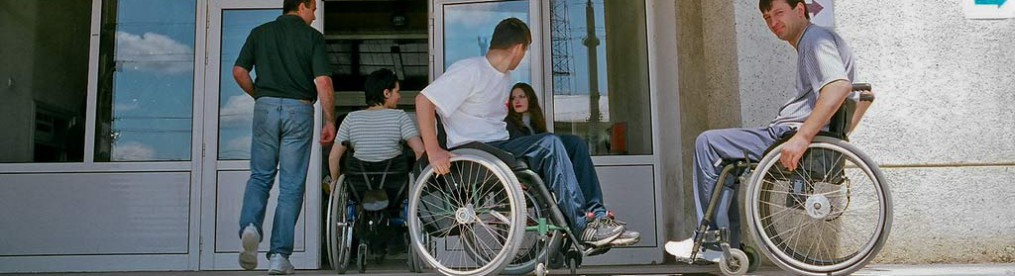
Inclusive Education: Band-aids Now, Reconstruction Later

Despite serious progress made during the reign of the Millennium Development Goals, Sustainable Development Goal 4 was created to push forward to universalizing access to equal and sufficient education for all. Obviously, the world failed to meet the 2015 deadline of the Millennium Development Goal of achieving universal primary education. In 2013, the latest year for which the SDG website has verified data, fifty-nine million children of primary-school age were not attending school, nor were they being schooled in the home. The United Nations estimates that, among those fifty-nine million children, twenty percent of that group had dropped out. The Sustainable Development Goals clearly recognize that this gap must be closed, and I agree. The problem with the mission to universalize education is a mistake in prioritization for development organization. Many education-centric organizations focus on increasing the number of teachers in an area or founding new schools with inclusive language in their founding documents. These both are admirable goals but essentially incorrect. They are missions that seek a sustainable, long term improvement in infrastructure in the region while what children need is direct access to education as soon as possible. Target 4.c of SDG 4 says that the United Nations will “by 2030, substantially increase the supply of qualified teachers, including through international cooperation for teacher training in developing countries, especially least developed countries and Small Island developing States”.  The mistake here is that the UN and other Education NGOs are trying to build the infrastructure for a viable education system and ignoring those kids in primary education right now. By 2030 an eight-year-old girl in primary school will be a twenty-four-year-old adult who is surviving without furthering her education. She will have passed through the system without any aid from any of the frameworks we have covered in class.

When people in this class read about inclusive education, they think about young girls out of school or people suffering poverty who need to enter the work-force of their country without secondary education. These people are suffering, they do need help, but it is a little shocking to me that all of these genuinely admirable programs, no group seems to be focused on the kids in school today or the very recent graduates who need the help of programs to supplement their minimal education. Parents and older peers were the individuals who showed me the value of education; it surprises me that more groups do not try to duplicate that means of motivation.

Inclusive Education

The term “inclusive education” is defined (according the United Nations Education Scientific and Cultural Organization —UNESCO) in the 2014 Model Policy for Inclusive ICTs in Education for Persons with Disabilities as, “the process of strengthening the capacity of the education system to reach out to all learners.” It is important to remember that inclusive education does not mean separate schools for through traditionally left out of the public school education system nor does it mean special classes within schools. Instead, truly inclusive education dictates the full integration of those traditionally ignored by the public education system into the mainstream classroom. Including children with disabilities into the traditional education system is often key to implementing inclusive education within a given country or region. Children with disabilities often struggle to access to education at all. A lack of education, as has been demonstrated time and time again, can have serious implications in terms of financial security and employment opportunities.

There are a variety of countries and even regions that are currently attempting to implement inclusive education policies. One region currently engaged in implementing inclusive educational policies is East Asia and the Pacific. The 2003 UNESCO report titled, “Inclusive Education Initiatives for Children With Disabilities: Lessons from the East Asia and Pacific Region” explores the success and challenges associated with the implementation of inclusive educational policies. Each chapter explores the various experiences of different countries in the region. By including children with disabilities in the education system, countries exponentially expand the options available to this vulnerable sub-group.

Aside from the ever-important human-aspects associated with implementing inclusive education policy, it is also vital to achieving the Sustainable Development Goals (SDGs) and more specifically, SDG 4.   Lack of education among children with disabilities also poses a direct threat to SDG 4— “Ensuring inclusive and equitable quality education and promoting lifelong learning opportunities for all. “ By introducing more inclusive education policies within countries, governments are taking an active step to reducing educational inequities towards children with disabilities. This in turn, clears the way for “ensuring inclusive and equitable quality education.” Implementing inclusive educational policies also goes a great way towards achieving some of the educational goals laid out by the Convention on the Right of Persons with Disabilities (CRPD). Therefore, while implementing inclusive educational policies may at times by challenging, they are absolutely paramount towards achieving the SDGs and alleviating inequities that exist among children with disabilities.


Inclusive Education

Achieving universal education is a grand challenge that has been afflicting the global community for decades. The Millennium Development Goals set out to achieve universal primary education by 2015, but obviously fell short of meeting its’ goal. Sustainable Development Goal 4: Ensure Inclusive and Equitable Quality Education maintains the commitment of the international community in achieving universal education, with an emphasis on inclusive education. Education is highly important as it the foundation for development. Specifically, inclusive education is integral for children with disabilities. According to Investigating Teachers’ Concerns and Experiences in Teaching Children With Special Educational needs in Bhutan, 80% of persons with disabilities live in developing countries.

As mentioned in Inclusive Education Initiatives for Children with Disabilities: Lessons from the East Asia and the Pacific Region, every child has a right to education as highlighted in the United Nations Convention on the Rights of the Child (CRC). Disabled children are not an exception to this rule. In fact, the lack of educational opportunities offered to children with disabilities is increasingly problematic, because without education, children with disabilities “face huge barriers to full social and economic participation in society.” This is evident from our guest speaker, Mr. Nay Lin Soe. Mr Nay Lin Soe mentioned that he was initially denied education in Myanmar because of his disability. This lack of inclusive education has large implications, as Mr. Nay Lin Soe demonstrated in his presentation. In Myanmar, 53% of disabled children do not have access to primary education. A total of 1% of the population is a university graduate with a disability. Further, 85% of disabled adults are not employed. This data indicates the larger impact of the lack of inclusive education measures. More than half of all disabled children in Myanmar do not have access to education; this translates to 85% of disabled adults without employment. Persons with disabilities are subject to unfreedoms that should be guaranteed to individuals. These unfreedoms cause persons with disabilities to face barriers in social and economic participation in society, resulting in an 85% of disabled adults unemployment rate in Myanmar.

Because of this, the adoption of disability inclusive education practices is essential. Disability inclusive education is “a process of including children with disabilities in mainstream classes in a way that addresses and responds to their individual learning needs” (Inclusive Education Initiatives for Children with Disabilities: Lessons from the East Asia and the Pacific Region). However, achieving disability inclusive education is rather challenging. In an effort to make disability inclusive education less challenging, UNESCO and the Global Initiative for Inclusive Information and Communication Technologies (G3ict) compiled a model policy document to assist Member States in developing policy geared toward inclusive education. This model is an extremely important in the effort toward achieving inclusive education.

Inclusive Education

Inclusive Education

Goal 4 of the Sustainable Development Goals (SDGs) is: “Ensure inclusive and quality education for all and promote lifelong learning”. At this point in time, it seems that the promise of education for development would be obvious. However, there still remain huge disparities across the globe that prove otherwise; one leading case being the lack of access to education for persons with disabilities (PWDs). Of the 11 references to disabilities in the 2030 Agenda for Sustainable Development, two are in SDG 4. The first is to “ensure equal access to all levels of education and vocational training for the vulnerable, including persons with disabilities” and the second is to “build and upgrade education facilities that are child, disability and gender sensitive and provide safe, non-violent, inclusive and effective learning environments for all”. These mentions are extremely important in combatting negative stereotypes that continue to marginalize PWDs and to better ensure future participation of PWDs who have time and time again been excluded from the decision-making process.

Inclusive education, or should I say exclusive education, is a topic I first really came in contact with when I was in Nairobi. I interned with an organization that provided physical therapy to children with disabilities living in informal settlements. The organization wanted to expand their services to address a huge issue for these children and their families: most of them were not in school. There were several reasons for these children not being in school, but the leading factors were that school staff felt PWDs did not have need for education or that the students would hinder the education of other, non-disabled students. For the children that were enrolled in school, they were put in the wrong classes and/or not given the appropriate instructions. For example, one child I worked with who had cerebral palsy was obviously able to speak and I witnessed his improvement in the short few months I was with him, but his mother informed me that his teachers made no attempt to develop this skill with him. This frustrating example is one of many similar stories around the world.

While inclusive education does put additional demands on school systems that may already have little resources to begin with, it is unfair to say who does or doesn’t deserve the right to education. Additionally, as with many other areas, making education inclusive does not hurt anyone else and instead usually has benefits for the population as a whole. Finally, inclusive education must be at the forefront of development measures as it is one of the, if not the, best ways to ensure participation for PWDs so that future development agendas are truly inclusive in all areas.


Disability-Inclusive Education

Persons with Disabilities are often neglected from equal opportunity initiatives and face discriminatory policies and prejudices in their daily lives (Rieser). This is a particularly prevalent problem within educational institutions, where in many places, children with disabilities are sent to institutions and thus segregated from mainstream schools, or are excluded from getting an education all together. According to the 2011 World Disability Report, approximately 93 million children live with a disability (about 5% of the world’s population) (UNICEF). Because of this there needs to be significant attention placed on inclusive education, specifically in regards to curriculum content, teaching methods, and materials, so that disabled students are able to fully participate in schools and receive quality education (Rieser). Disability-inclusive education is an approach to education that acknowledges the special educational needs of students with disabilities, without excluding them from educational environments and opportunities. Students with disabilities spend most if not all their with with non-special needs students, rather than be separated into other classrooms or sent to “special” schools. This approach recognizes the inherent right to every child to have equal opportunities to learn, and adapting classroom settings to meet their needs along with everyone else’s. The United Nations Educational, Scientific, and Cultural Organization (UNESCO) partnered with Global Initiative for Inclusive Information and Communication Technologies (G3ICT) to create a model policy to facilitate the implementation of the UNCRPD. The purpose of this joint effort was to document and distribute a template to better assist UNESCO Member States in effectively utilizing ICTs for all students, but particularly learners with disabilities. Furthermore, its intention was to promote the establishment of policies that strive to achieve inclusive education across all educational sectors and settings (G3ICT Model Policy for Inclusive ICTs in Education for PWDs). In order to achieve quality education for all learners, as mandated by SDG #4, it is imperative such models are put into place so that inequities are diminished and schools are truly inclusive educational institutions. Individualized services and approaches to learning must be offered for all students, including those with disabilities.

Inclusive Education

Inclusive education is another grand challenge international development practitioners have grappled with for a long time, and universal primary education is one of the top concerns or goals to achieve for the Sustainable Development Goals.  When talking about inclusive education, a main problem we see is students with disabilities being excluded from the classroom environment.  There are many different reasons behind this. Oftentimes, people say they will promote disability-inclusive education, but it is much more difficult to do in practice, and much less common.

This can be for cultural reasons.  In many countries, students with mental or physical disabilities are stigmatized for their condition.  This certainly happens in the United States, but we have stronger protections in place for ensuring that students of different backgrounds and abilities are included, relatively speaking.  The cultural stigma of someone having a disability will lead schools to say they cannot have that student in the classroom.

Another cause behind this problem is the extremely daunting financial and professional burden of ensuring that every student, regardless of level of ability, has a seat at the table of education.  It can be extremely costly to get professionals who are trained in working with students with disabilities, and to purchase appropriate equipment and tools that may be needed for a disabled student to have the same level of success as a student who does not have a disability.  It can also be costly, for example, to make an educational facility accessible to a student with a physical disability.  These may mean building wheelchair ramps or installing elevators, which many schools to not have the funds to put in.

As previously discussed, the Millennial Development Goals did not mention these issues enough, but the CRPD has been working hard to increase the rights of people with disabilities.  The cultural stigma is tough to combat if it is so deeply ingrained in the cultural fabric of a country, but the CRPD and the new SDGs recognize the need to combat the issue from a cultural standpoint and a financial one.  Students with physical and mental disabilities have unique problems, and the tactics used also need to be tailored to the country of operation due to cultural reasons.  That way, the outcome can be as effective as possible.

Education and Development

If a country is to achieve progress on social, economic, and political levels they need to have the human capacity to reach these heights. Progress comes from the people of the country. One cannot import politicians, businessmen, laborers, etc and then leave the people of the country in the dark. A state needs to look inward and build the capability of their own people through education. When I studied in Denmark I learned about the governance of their satellite state Greenland. While Greenland is technically governed by the indigenous people who live there, closer inspection reveals that their bureaucratic and high income positions are all occupied by wealthy Danes who work in Greenland for a year or two before returning home. The Greenlandic people themselves do not occupy these positions because they do not have the skills, most of them barely graduate high school. If they do not receive the education necessary they can never develop economically or politically.

So how do you improve education in developing countries? And how do you do so without excluding certain groups? In many developing nations, a lack of infrastructure prevents children from attending schools. They may have to cross long distances without access to transportation. The schools may be built in a way that doesn’t accommodate students with disabilities such as no wheelchair access. The teachers may not be trained to teach students with disabilities. There are many cases such as this and students are left out because no one has the knowledge or experience to help them. This excludes a major segment of society and leaving people out of the workforce leads to a loss of innovation and expertise that can help economic and social development. Education is an example of how interconnected development issues truly are. Working on one area can lead to solutions in other areas. If infrastructure like roads and buildings cannot be changed to accommodate students, information and communicative technologies can help. ICT’s allow students to access information and attend class sessions without needing to be in there in person. They can also provide alternative methods of learning for those whom traditional modes of education fail. ICT’s also benefit educators, who can tune into training seminars online and educate themselves on new teaching methods from places around the world. Education is fundamental to development, but first we must develop education so that it accommodates everyone.

Visibility, Validation, Inclusion & Implementation

The overarching framework for inclusive education is SDG 4, the goal to “ensure inclusive and quality education for all and promote lifelong learning” by 2030. More specific to our continued commitment to education inclusive of persons with disabilities is Article 24 of the CRPD. Article 24 reads that “States parties recognize the rights of persons with disabilities to education” and outlines a set of standards for meeting this goal such as ensuring that students with disabilities are not separated from their peers on the basis of disability and that equal and inclusive education begins at the primary level continuing on for the rest of a person’s life whether through traditional or trade/skill-based education.

Signed and ratified by 168 countries, the CRPD is a significant success for the disability community, specifically in the area of education with regards to the clear and extensive rights extended by Article 24. However, in many countries, such as South Africa, which ratified the CRPD in 2007, where 70% of students with disabilities are out of school entirely, international agreement and legislation are just the first steps with a significant amount of work still needed to “make the right real.” There are three steps that are crucial to making the right real: visibility, validation, and inclusion/implementation. In South Africa, visibility made possible by organizations like Disabled People South Africa allowed for validation through the passing of the CRPD and The White Paper on the Rights of Persons with Disabilities, a national policy, validating the experiences of persons with disabilities and essentially validating the truth that persons with disabilities should and will be treated equally.

South Africa has stopped at the last and most difficult step of inclusion and implementation, allowing the rights outlined in official policy to translate to the everyday lives of persons with disabilities. In order to achieve equal education as promised by SDG 4 and the CRPD, Article 24, South Africa must outline a plan for implementation that includes persons with disabilities at the forefront of the process. A model for such implementation can be found in Finland, another signatory to the CRPD and a country with one of the most inclusive education systems in the world.

Similarly to South Africa’s White Paper, Finland passed the Basic Education Act, extending similar rights to education. In doing so, the Finnish government also outlined a plan for its implementation in collaboration with persons with disabilities, introducing required teacher trainings, building accessibility requirements, increasing funding to special resources, and most importantly, noting that public authorities must hold the school system accountable, creating regular checkups on these standards for inclusive education.

In developing a similar model of accountability, South Africa and governments like it who have yet to see true education inclusion, have the opportunity to see success through inclusion and implementation.

Inclusive Education

Education is necessary for every nation to thrive and prosper. However, there are times where it becomes difficult for every single child/person to receive the education they deserve and have the right to receive. Inclusive education is one of the fundamental priorities of the SDGs: universal primary education. There are a number of countries that, even though they claim to abide by inclusive education for all, students with disabilities or disadvantages are marginalized and are not given a second route to receive education. As the report “Opportunities for Students with Disabilities” mentions, we must be able to “build a bridge between the worlds of higher education policy and disability policy.” Accommodating each and every single student can be a hard process, especially if the school, or center, does not have the necessary tools, or professors, to manage the students’ needs accordingly. These barriers take away the numerous opportunities that these children can achieve.

Each student should be taught according to their individual preferences to make sure that their long-term inclusion into society can continue. Even though students with disabilities are protected by legal frameworks and policies there isn’t any legal guarantee that they will be given their appropriate education. Many of these students require certain transition services to be able to advance on to the next level of their education, whether it be elementary, primary, secondary and even tertiary education. It is unfortunate to know that in some occasions, students with disabilities who document their impediments, are looked over by faculty attitudes. This can be a great barrier within the academic field. Some faculty members are very ignorant about this type of situation and ultimately decide that they do not need to take into consideration any recommendations or suggestions from the number of administrators that help and manage the needs of students with disabilities.

Progressive inclusion is a supposed significant thread in American history. As of recently, persons with disabilities are staring to become “official” members of society who are becoming less marginalized and stigmatized. They are starting to be given a number or opportunities and chances that they did not have before and are excelling in ways that the international community praises. Although they might not have the intellectual capacity to fully participate in higher education, students with disabilities and their community take the responsibility to reduce as much as possible the educational gap that exists within the academic community.

Students with disabilities have as much of an opportunity to succeed in life and in their academic career as people with the capacity to excel academically without any impediments.

Inclusive Education


Since nearly 10% of every country’s population of school-aged children are disabled, and 90% of disabled children are denied access to primary education, there are hundreds of millions of children across the globe who do not have the choice of an education – which restricts so many of their choices for the rest of their lives. While expanding access to education was already included in the Millennium Development Goals (MDGs), improvements in this development area have been insufficient. Certain barriers that prevent children from accessing primary education restrict them from finding employment as adults, leading them into poverty and creating a vicious cycle. The impact of this cycle on MGOS, specifically PWD, is even worse. The Sustainable Development Goals (SDGs) seek to further the efforts of the MDGs in many development areas, including education.

The SDGs, in combination with other documents such as the Convention on the Rights of People with Disabilities (CRPD) and the Model Policy for Inclusive ICTs in Education for Persons with Disabilities published by UNESCO, collectively address how to overcome obstacles that PWD face regarding access to education. SDG 4 addresses inclusive education, and specifically mentions PWD in targets 4.5 and 4.7a. The first of the aforementioned targets is aimed at equal access, and the later prioritizes upgrading educational facilities to accommodate disabilities. Both of these targets intend to make education more inclusive. In alignment with SDG 4, Article 24 of the CRPD is devoted to diminishing discrimination faced by PWD in the education system. Additionally, the Model Policy for Inclusive ICTs in Education for Persons with Disabilities addresses how to achieve equal access to education – both information and physical facilities.

The international framework mentioned above addresses how to overcome both the systemic obstacles to accessing education information, and the physical obstacles to accessing the educational environment. In order to achieve inclusive education, barriers to both of these areas need to be mitigated. UNESCO studied different approaches to inclusive education around the world to assess impact of different environments. Between special schools for PWD, special classes in integrated schools, or inclusive classes no one environment is proven to have better results. This is due to the fact that there are so many variables. The many kinds of disabilities present, the educational resources of the country in question, and the behavior of the teacher or other children in the class are all possible examples.