Intersectionality in Sustainable Development

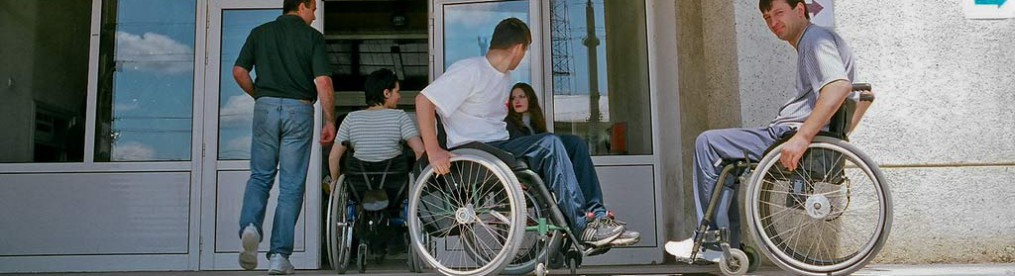
Intersectionality is the study of intersecting social identities – such as race, gender, social class, etc. As we highlighted in class, intersectionality exists among the Major Groups Framework. The nine major groups include: women, children, farmers, indigenous people, local authorities, businesses, civil society, and worker and trade unions. It is entirely plausible that intersectionalities among the Major Groups Framework exist. This is especially problematic because an individual has to separate their identity and choose their priorities due to a highly politicized process. It is even more challenging when intersectionalities exist that are not within the major groups framework. For example, persons with disabilities are not included in the framework. Therefore, if a disabled child was chosen as a representative of the children major group, he/she would have to separate his/her identity and choose their priorities. When viewed from this perspective, intersectionality is quite challenging. Further, as mentioned by several classmates, intersectionalites are not often not given enough attention or are often misunderstood. This is problematic because it has detrimental effects on development theory as a whole. As Ana mentioned in her post, inclusive sustainable development can only be achieved when intersectionalities are taken into account.

However, intersectionality can also be viewed as how frameworks and ideas correlate to one another. As such, intersectionality can also exist among global grand challenges within international frameworks. For example, the grand challenge of disaster risk management is tackled in the Sustainable Development Goals, the New Urban Agenda, and the Sendai Framework. Specifically, The Sustainable Development Goals, the Sendai Framework, and the New Urban Agenda share a commitment to mainstreaming disaster risk management at all levels to reduce vulnerabilities, specifically in at-risk areas. Further, the Sendai Framework plays an important role in the implementation of the 2030 Agenda for Sustainable Development. The integration of disaster risk into sustainable development planning is essential to the success of the SDG’s, the Sendai Framework, and Habitat III. All three international frameworks highlight the necessity of disaster risk management. Specifically, the SDG’s and the Sendai Framework highlight the importance of building resilience in vulnerable communities via education.

Specifically, in regards to the SDG’s, there are a total of 25 targets specifically related to disaster risk reduction in ten out the seventeen SDGs. Disaster risk intersects with the global challenges of poverty eradication, food security, education, inclusive cities, and climate change. As such, it is evident that building resilience to natural disaster is fundamental to achieving the grand challenges set forth in the 2030 Agenda for Sustainable Development.

These global frameworks work in cohesion to reinforce the importance of the global grand challenge of disaster risk management in the international community. As such, when viewed from the perspective of global grand challenges, intersectionality is highly beneficial.

Intersectionality in Sustainable Development

According to The Association for Women’s Rights in Development (AWID), “Intersectionality is a tool for analysis, advocacy and policy development that addresses multiple discriminations and helps us understand how different sets of identities impact on access to rights and opportunities.” Historically, white men have benefitted most from society (at least in the US) and all others have been substantially disadvantaged in a variety of ways. While societies have become substantially more progressive and inclusive, many people are still vulnerable and disprivileged from having a higher quality of life. This is largely in part because because people live multiple, layered identities that are rarely considered in their entirety. This is to say that often “vulnerable” people are generalized into larger groups but their personal overlap among those categorizations goes unrealized or ignored. For example, the UN developed “Major Groups and other Stakeholders” (MGoS) to better engage and incorporate specific sectors of society into sustainable development initiatives. These nine sectors of society are: women; children and youth; indigenous peoples; non-governmental organizations; local authorities; workers and trade unions; business and industry; scientific and technological community; and farmers. While this is a positive effort in achieving wider participation and consideration on global issues, it clearly falls short. For one, Persons with Disabilities are terribly ignored in this framework and they make up 15% of the world population. Moreover, intersectionalities are not supported by these groupings and thus people who carry several of these identities (which is the majority of populations) are forced into dividing their needs and thus identity. For example, a female, indigenous farmer would have to reach out to three major groups and explain how each aspect of her identity was discriminated or disadvantaged by certain policies, rather than how her problems have been a consequence of a combination of these identities and how she could be better assisted overall. This is not a inclusive nor sustainable way to achieve inclusive sustainable development. Instead, there needs to be a bottom-up approach and a wider framework for acknowledging and aiding members of more than one identity and how those identities simultaneously produce oppression. This not only illustrates how policies, programs, and services in one aspect of life are inevitably linked to others, but also provides a greater understanding of how various identities impact overall levels of opportunity, development and access to rights (AWID).

AWID: https://lgbtq.unc.edu/sites/lgbtq.unc.edu/files/documents/intersectionality_en.pdf

Major Groups: https://sustainabledevelopment.un.org/majorgroups/about

Intersectionality: A Crossroads

Intersectionality is the idea that we cannot address a single social condition without also addressing the other social conditions that exist. For example, “white feminism” defines the brand of modern feminism that often leaves out women of color, women who identify as LGBTQ+, women in poverty, or other important aspects of a women’s identity that need to be addressed under the umbrella of women’s rights. Without intersectionality, progress is simply not possible.

The same holds true for sustainable development. For example, we must acknowledge intersectionality that exists across the “major groups” framework as well as the discrimination that exists within each. For example, a queer disabled woman of color faces unique and important issues that should be addressed by AND across each of the major groups. Unfortunately, across global frameworks, we see limited mention of these intersectional identities and their importance in sustainable development. Their importance comes into mainly in that development is not sustainable or inclusive when it leaves out the issues or identities of an entire population.

However, even with the division the “major groups” framework presents, it also can be utilized as a unique opportunity for collaboration and creation of intersectional understanding. For example, women in the Indigenous People group may meet with the Women group in order to discuss their overlapping thoughts and issues. After meeting, the two groups can work together to ensure their experiences, needs, and suggestions are heard at the higher level.

In the past, the major groups framework also raised issue by excluding a large number of groups but thankfully, the NUA at Habitat III introduced sixteen other stakeholder groups who cover a large number of identities and issues.

In addition, other frameworks such as the SDGs are moving in the right direction such as SDG 4, which I focused on in my capstone project. SDG 4 focuses on the right to education and includes mention of multiple intersectionalities such as gender equality under education as well as the importance of granting access to education for persons with disabilities.

Overall, intersectionality serves as a crossroads for many identities and issues and when included in the global frameworks can have a huge impact in working toward truly inclusive sustainable development.

Intersectionality in Sustainable Development

Intersectionality discusses the fact that different social identities and demographic groups cannot only be looked at in a vacuum; they are interconnected and will always be.  People identify with more than one demographic group, so when looking at how development is affecting certain groups we have to take these nuances into consideration to get a broader understanding of the situation.  Some demographics that are under examination when looking at development include race, gender, class, ethnicity, age, and more.  When looking at the interactions of multiple demographics within an individual or group, there are different outcomes and implications then if we were to only look at one.  For example, a disabled woman will face different challenges than a disabled child.  A disabled child may be excluded from receiving an education, and a disabled woman may not be able to access adequate prenatal care.

The Grand Challenges show us that participants from all these different groups need to be involved in development to help paint a more detailed picture of what the problems are, and how they can best be solved.  Stakeholder groups in international development include: Women, Children and Youth, Indigenous Peoples, Non-Governmental Organizations, Local Authorities, Workers and Trade Unions, Business and Industry, Scientific and Technological Community and Farmers.  These are the nine groups that the UN outlines in the Sustainable Development Goals, although there are many others.  Since the goals were redesigned, there has been a larger focus on paying mind to intersectionality among different stakeholder groups, and in making sure development practitioners have the opportunity to hear from many different viewpoints on what problems should be addressed.

The conceptual basis for my final capstone project on sustainable urban transport in São Paulo had a lot to do with the concept of intersectionality in development.  The recommendations I made came from multiple angles, and did not simply suggest the government expand transportation networks.  Since the issue affected urban residents in many different ways, I made recommendations that would also indirectly fix the problems seen in the city to fill in the gaps where simply building more public transit wouldn’t fix the issue.

Intersectionalities

An intersectionality is how different issues, solutions, and areas of interest converge and coincide. Many issue areas may face the same problems. Or the solution for an issue may be multidisciplinary, requiring input from multiple interested actors. In the extremely globalized world that we now live in it is nearly impossible to find two issues that are totally disconnected. There are always factors that can totally reinvent something because of an innovation that happened thousands of miles away. This has serious benefits in international relations. Innovations in communications and technologies benefit all aspects of society. They increase profits for corporations, help educate children in developing countries learn, allow two politicians speaking different languages to communicate, and much more. This is a wonderful aspect of international relations because you can always find a way to make something in the best interest of multiple stakeholders. Technological developments benefit big corporations, so they invest large amounts of money in them. These developments also help the disenfranchised as an externality. It may not be the intention of the corporation to help these people but because of the intersections it benefits them and it helps the world as a whole. Politicians may fund research into a certain scientific process because of economic or social impacts only to discover that this research can help ease climate change.


This is why it is now more crucial than ever to be aware of these intersectionalities. If we are unaware of the unintentional benefits of our disciplines, we may fail to apply these benefits and lose so much in the process. Awareness of intersectionalities is crucial to sustainable development and the Sustainable Development Goals reflect this. Though there are seventeen different goals, there are clear areas of crossover between the goals. Climate change affects certain areas far more strongly than it does others. This combines two different goals, #13 climate action and #16 peace and justice, to create a new discipline of climate justice. Remaining cognizant of these overlaps ensures that we can share solutions and innovations to benefit both disciplines.

Gender & Development

Gender & Development by Ines Renique 

“Development if not engendered, is endangered” is a statement that is to the defense of women, and the role that they play in the development of communities, families, and nations. Women are the key component to positive changes, not just for themselves but for those around them, as the expression goes: “ educate a girl and you are educating an entire village”. Moreover, development is not gender neutral, as it is more often than not sexist and repressive towards women. Take for example, the informal unpaid work of women.

Much of subsistent production, informal paid work, volunteer work, and domestic production, is all led or conducted by women. More often than not, these types of work, although all essential, are not accounted for in a nation’s economy, as they are considered to be outside of the economic realm. However, if household production were in fact accounted for, then growth rates would be more accurate. Development of countries cannot even be measured entirely accurately without accounting for the work so many women do around the world.   

Moreover, something else that stagnates development is that so many women and girls are not accounted for. A statistic I learned recently—each day, 41,000 girls are married as children, making it 15 million girls a year. Besides being a human rights violation, this is a massive blockade to development. These are girls that will not be able to receive a higher education, and girls that will be expected to have children while they themselves are still children. These girls can easily become women that are unaccounted for, and that are not given the basic rights of citizenship, as outlined by the United Nations Declaration of Human Rights.

Combating deeply entrenched gendered norms is a far from easy task. Any kind of intervention  to create positive change for women and development will undoubtedly need to be multi- sectoral. However, there are daily advancements in improving the lives of women and empowering them further. A healthy, educated, and empowered woman is the key to further development.

Intersectionality in Sustainable Development

Coined by American civil rights activist Kimberle Williams Crenshaw, in 1989, intersectionality is defined as the study of overlapping social identities and related systems of oppression, domination, or discrimination. According to this intersectional theory, all biological, social, and cultural categories interact on multiple levels and come together to shape how a person experiences oppression. Therefore we can use this framework to better understand how systemic injustice and social inequality occur on a multidimensional basis. Having a good grasp on the issue of intersectionality is crucial for international development because as the international community looks to address distinct problem areas they need to be able to understand how different social identities affect project outcomes and how their projects need to be structured in such a way that they take into account issues of intersectionality to avoid narrow thinking. When the complexity of this issue is not taken into account, the solutions tend to be temporary because they are not made to adapt to the intersecting systems and therefore they are short lasting.

All of the SDGs are affected by intersectionality. In fact, there is truly no issue in today’s world that is not. However, one clear example is SDG 4 that looks at quality education. Usually, in the field of development the goal is to increase enrollment. However, in order to do so and in order for the education to be effective once all children are attending, the different groups such as girls, minorities and persons with disabilities need to be included and accounted for. If this is not the case, then the successful increase in enrollment will not be as impactful or effective if certain groups are being excluded from the benefits. Currently, the issue of education for PWDs is being more actively addressed and it has been recognized internationally that schools need to be able to accommodate all because education is a basic right of every child including those with disabilities (UNICEF). Ensuring that girls are being given the opportunity to attend school is also an issue that in recent years has received increased attention. Yet improvement can still be made when it comes to combining such efforts. Directing projects specifically at these groups is important because they have been ignored for such a large part of history. However, we need to step away from simply fixing our neglection mistakes of the past and take the next step forward. We need to combine our efforts by recognizing how all the different issue areas interrelate and impact one another.

Given the direction in which international development efforts are moving, it appears as though more conscious efforts will be made to address intersectionality. Increasingly, marginalized groups are highlighting the importance of joining efforts. With little time to waste, it is crucial that intersectionality be addressed and implemented into development projects, and the international community is definitely realizing this and coming onboard with it. 

Intersectionality

When dealing with intersectionality, we have to take into consideration the different social categorizations like race, gender and even class.  It is important to understand how each category interacts with one another. The different intersections each create a form of framework that impact different people around the world. Among the multi-stakeholders of the major framework groups of sustainable development, intersectionality is not a widely discussed topic. Even worse, a number of people are not aware that the SDGs and MDGs were created to enhance development projects across the world in both developed and developing countries.

As discussed previously in class, sustainable development is an on going project that seeks to better the engagement of nation leaders and community leaders within every country. We all face multiple threats. The Major Framework Groups all face discrimination and threats that halter their development possibilities. Discrimination overlaps so even if the international community is dealing with different development strategies to enhance separate aspects of it, denying the overlap can leave a number of groups, if not all, vulnerable. Using intersectionality entails valuing a certain type of approach to analysis, research and planning.

Intersectionality can be a tool for studying, understanding and responding to the ways in which gender intersects with other identities and how they can contribute to sustainable development. It is a theory used in the different groups to expose the different obstacles that each face. The different solutions that can being to arise can lead to there being a more inclusive and sustainable approach to addressing the number of intersections that each framework seeks to impact. Sustainability is at the intersection of almost every aspect of development. Each sector has a prominent role of enabling sustainable production, consumption, environmental and wildlife conservation, as stated in the “Side event to the Eighth Session of the Open Working Group on Sustainable Development Goals.” Because many people are not aware of the MDGs and the SDGs, a strategy that could be done to disseminate the targets of these goals is for a clear link to be established so that specific mechanisms can be put into place so that the intersectionality that exists between many of the groups can diminish, leaving behind their oppression, threats and even misappropriations (Side event to the Eighth Session of the Open Working Group on Sustainable Development Goals).

Intersectionality

Within the field of sustainable development, there are numerous documents and initiatives which overlap in their purpose. These intersections create a framework that communities around the globe can use to address the Grand Challenges we collectively face. In order to develop sustainable solutions to Grand Challenges, all sectors of society and all types of people must actively participate. The first United Nations Conference on Environment and Development recognized this in 1992, which led to the Major Groups framework. Now, nine groups including Women, Children and Youth, Indigenous Peoples, Non-Governmental Organizations, Local Authorities, Workers and Trade Unions, Business and Industry, Scientific and Technological Community and Farmers are encouraged to participate in discussions about development from which they were previously excluded. What is more, the role of multistakeholderism has gained notoriety because the Major Groups framework makes is possible for the many groups within society to all voice how Grand Challenges affect their specific communities. Therefore, the solutions that arise from a multistakeholder approach leads to more sustainable and inclusive solutions because this approach addresses the intersections within the development framework, and within the community that it seeks to impact.

One problem that I wish to point out is that the intersectionality of sustainable development and various stakeholder needs is not widely known among members of society that are not intellectually involved with development. Many people do not know what the SDGs are, much less how they address the needs of specific communities. What is more, the people who aren’t aware of these intersectionalites do not know that they are stakeholders. If an individual isn’t aware of the multistakeholder framework which exists to help achieve the SDGs, how would they be able to participate in the discussion or implementation of polities to do so? Local community leaders must be engaged in development and informed about intersectionality within the field in order to bring about policy changes that will have any impact.


Intersectionality in Sustainable Development

Intersectionality is at the crux of human identity and plays a large role in societal inequalities. Grand challenges such as digital inclusion, adequate access to healthcare, and achieving universal primary education which are the focus of today’s global frameworks, are essentially intersectional. It is this intersectionality and inextricability  that introduces added layers of nuance and complexity to these grand challenges in international development. Issues of international development affect all sectors of the population, and thus require frameworks such as the Major Groups Framework, that incorporate and support diverse groups of the international community.

The United Nations Sustainable Knowledge Platform explains how since the first United Nations Conference on Environment and Development in 1992, it was recognized that achieving sustainable development would require the active participation of all sectors of society and all types of people. Following this conference, the Major Groups Framework took shape and now currently consists of nine groups  including Women, Children and Youth, Indigenous Peoples, Non-Governmental Organizations, Local Authorities, Workers and Trade Unions, Business and Industry, Scientific and Technological Community and Farmers.  In addition, governments expanded participation and invited other stakeholders, including local communities, volunteer groups and foundations, migrants and families, as well as older persons and persons with disabilities, to participate in United Nations processes related to sustainable development. The Major Groups framework recognizes that each of these multi-stakeholder groupings are able to  provide new ideas, challenges and information in regards to how the world’s grand challenges affect their specific communities, thus utilizing the intersectionality of these global issues to  enrich the  debate.

Acknowledging the inherent links between grand challenges leads to more effect policy frameworks and  overall progress. For example, the  WSIS-SDG Matrix draws direct linkages of the World Summit on the Information Society (WSIS) Action Lines with the proposed Sustainable Development Goals (SDGs) to continue strengthening the impact of Information and Communication Technologies (ICTs) for sustainable development. The matrix reflects the connections and relations of respective Action Line with the proposed SDGs and their targets. The goal of the matrix is to create a clear and direct link and an explicit connection between the key aim of the WSIS and the post 2015 development agenda, so as to contribute to the realization of the latter. When the inherent intersectionality of  global frameworks is utilized in the  design and execution of solutions for global goals, the potential for greater gains is multiplied, and duplicated efforts minimized.